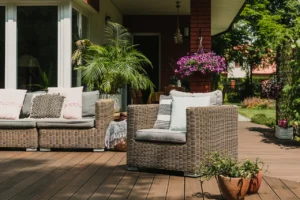
Adding a sunroom is a great way to create more usable living space and enjoy a stronger connection to the outdoors, but choosing between a three-season room and a four-season room can be difficult. The two options differ in important ways, including insulation, temperature control, construction requirements, cost, and how many months of the year you can comfortably use the space.
For more than 25 years, Sunburst Construction Inc. has helped homeowners throughout Northern Virginia improve their homes and outdoor living spaces. As a local, family-owned and operated, fully insured Class A contractor with HIC, CBC, and RBC licensing, our team brings decades of experience to projects ranging from sunrooms and decks to patios, outdoor kitchens, fireplaces, and complete backyard transformations.
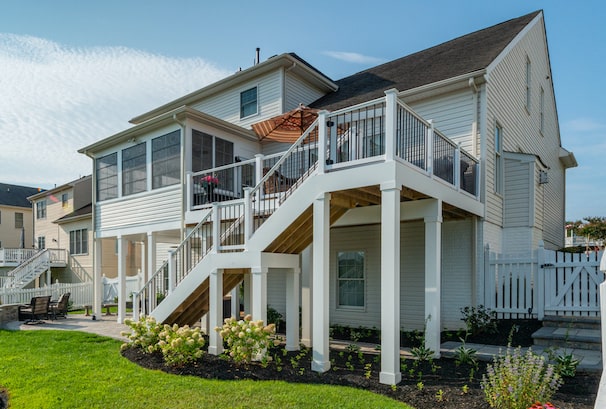
In this guide, we’ll compare three-season vs. four-season rooms, explain their key differences, and walk through factors such as construction, cost, energy efficiency, maintenance, climate, and everyday use so you can determine which option makes the most sense for your home.
Thinking about adding a three-season or four-season room? Call 703-406-0914 or contact us online today to discuss your ideas with an experienced local contractor and start planning a space designed around your home, lifestyle, and budget.
What Is a Three-Season Room?
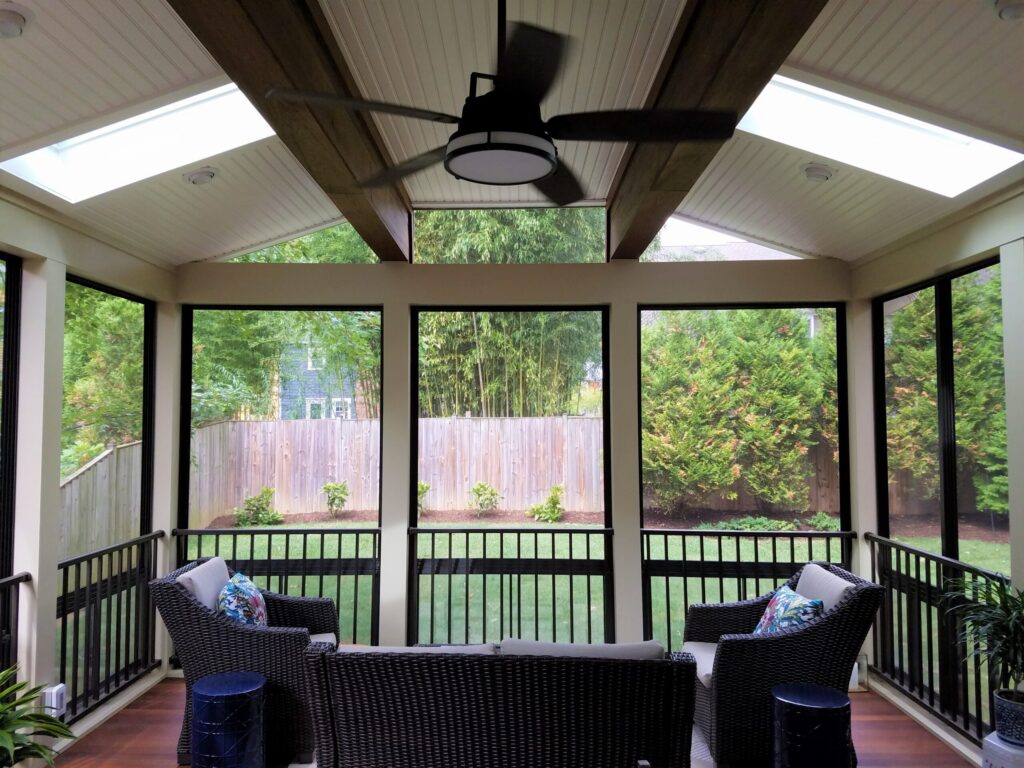
A three-season room is designed to provide a comfortable connection to the outdoors during moderate weather.
These spaces often feature large windows or screened openings that bring in natural light and fresh air while providing protection from insects and rain. Because three-season rooms typically have limited insulation and no permanent heating and cooling system, their usability depends heavily on the local climate.
A three-season room can be an excellent choice for homeowners who want a casual space for relaxing, entertaining, dining, hobbies, or enjoying backyard views without building a fully conditioned addition.
What Is a Four-Season Room?
A four-season room is constructed to provide a more consistent indoor environment throughout the year.
Compared with a three-season space, four-season rooms generally incorporate more substantial insulation, higher-performance windows and doors, permanent heating and cooling, electrical components, and finished interior surfaces.
Because the space is climate-controlled, it can often function more like an extension of the home’s interior—such as a family room, home office, exercise space, entertainment area, or year-round retreat.
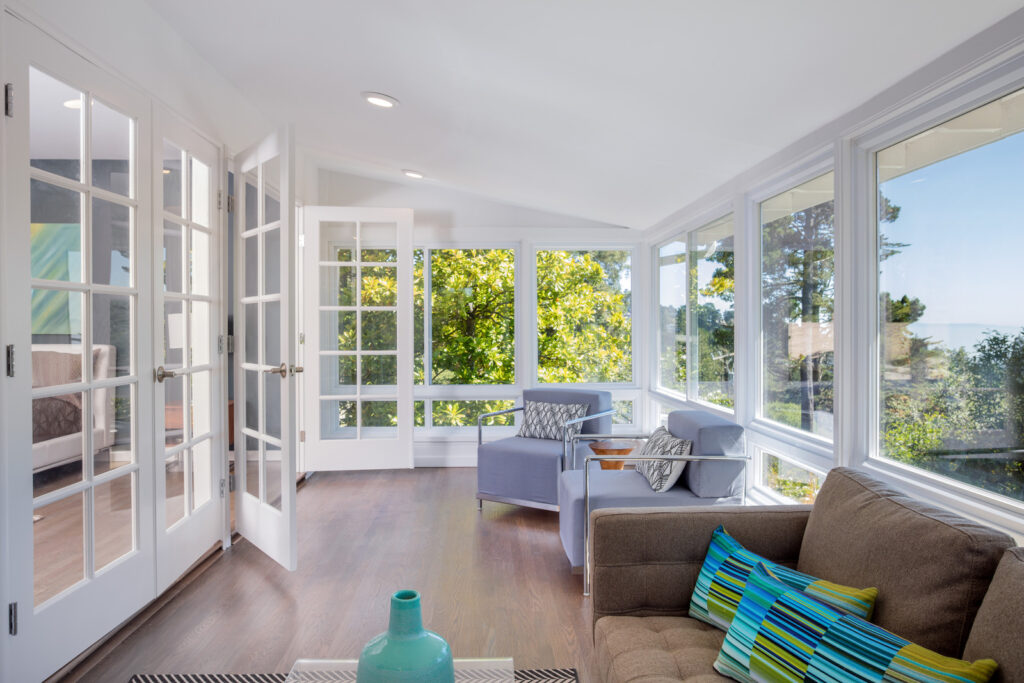
How Construction Differs
The most important differences between three-season and four-season rooms are often found behind the finished surfaces.
A three-season room typically emphasizes natural light, ventilation, screens, and outdoor connection. Some insulation may be included, but the room generally is not designed to maintain the same temperature as the conditioned portions of the home.
A four-season room requires a more substantial thermal envelope. Depending on the project, that can mean insulated walls, floors and roofing; higher-performance windows; permanent heating and cooling; electrical work; and additional foundation or structural requirements.
Those differences affect not only comfort but also project cost, energy performance, permitting, and construction complexity.
Three-Season vs. Four-Season Room Cost
In general, three-season rooms cost less to build because they require less insulation and typically do not include permanent heating and cooling.
Actual pricing varies considerably based on the property and project.
Factors That Affect Three-Season Room Cost
- Room size
- Existing deck or foundation condition
- New footings or structural work
- Window and screen selections
- Roofing
- Electrical additions
- Interior finishes
- Local labor and material costs
A simple enclosure built on a suitable existing structure will typically cost less than a fully customized addition requiring extensive structural work.
Why Four-Season Rooms Usually Cost More
Four-season rooms commonly require:
- More insulation
- Higher-performance windows and doors
- Heating and air conditioning
- Electrical work
- More substantial foundations or framing
- Finished interior materials
These added components increase the initial investment but also make the room usable during a much wider range of weather conditions.
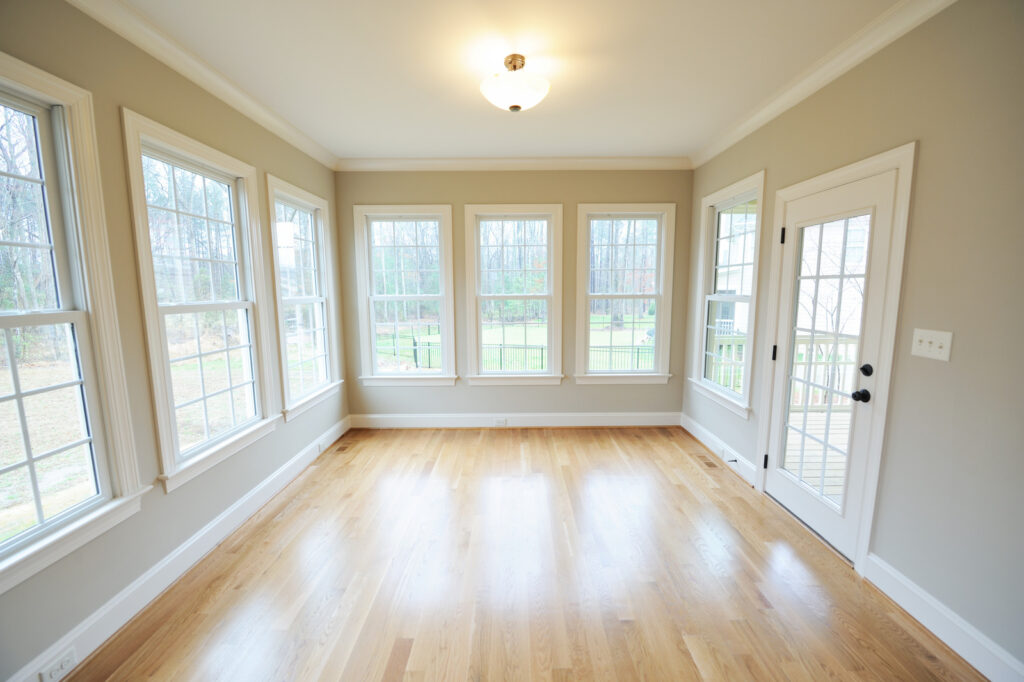
Usage and Functionality
When deciding between a three-season and a four-season room, consider how you plan to use the space. Three-season rooms are ideal for:
- Seasonal Enjoyment: If you love spending time outdoors in pleasant weather, a three-season room provides a comfortable space to relax without worrying about bugs or rain.
- Casual Entertaining: These rooms are great for hosting gatherings during the warmer months. You can set up seating, a bar, or even a grill just outside the room for easy access.
- Hobbies and Crafts: If you enjoy gardening, crafting, or other hobbies, a three-season room offers a serene environment without the distractions of the main house.
Four-Season Rooms, on the other hand, offer a wider range of possibilities:
- Year-Round Living Space: With heating and cooling capabilities, a four-season room can serve as a cozy retreat in winter and a cool escape in summer.
- Flexible Usage: These rooms can function as a family room, home office, gym, or even a guest room, depending on your needs. The versatility of a four-season room makes it suitable for various activities throughout the year.
- Increased Home Value: A well-designed four-season room can significantly enhance your home’s resale value, appealing to potential buyers who are looking for additional living space.
Aesthetic Appeal
Both three-season and four-season rooms can add aesthetic value to your home, but their styles and designs can differ. Three-Season Rooms often have a more casual, relaxed look, featuring:
- Natural Elements: Wood and glass are common materials, giving the space a warm, inviting feel.
- Open Designs: Many three-season rooms have a more open layout to maximize airflow and sunlight, often with minimal furniture to maintain a light and airy atmosphere.
- Landscaping Integration: Since these rooms are typically more connected to the outdoors, landscaping can play a significant role in their design, allowing for beautiful views of gardens, patios, or natural landscapes.
Four-season rooms can have a more sophisticated and polished appearance, with design elements that include:
- Higher-Quality Materials: Four-season rooms often utilize premium materials, such as high-end windows, insulated walls, and stylish finishes that complement the overall look of the home.
- Formal Layouts: These rooms can be designed with specific furniture arrangements and decor in mind, making them suitable for entertaining or more formal gatherings.
- Architectural Features: Many four-season rooms incorporate architectural elements like vaulted ceilings, skylights, and decorative moldings that elevate the design and enhance the overall aesthetics of the home.
Climate Considerations
Climate can significantly affect which room provides the most value.
In areas with long, cold winters, a four-season room may be more practical if you expect to use the space throughout the year. In hotter climates, insulation, air conditioning, glass performance, orientation, and solar heat gain become particularly important. Homeowners in milder regions may be able to enjoy a three-season room for much more of the year.
Window selection should also reflect the local climate. ENERGY STAR explains that window performance requirements vary by climate zone, with factors such as U-factor and Solar Heat Gain Coefficient (SHGC) helping indicate how a window manages heat transfer and solar heat.
This is especially relevant for sunrooms because they typically contain substantially more glass than a conventional room.
Maintenance Requirements
Maintenance is another important factor to consider when choosing between these two room types. Three-season rooms generally require less maintenance due to their simpler design and materials. However, you may need to clean and maintain screens, windows, and any outdoor furniture regularly. Seasonal closing and opening may also be necessary, especially in areas with harsh winters.
Four-season rooms may require more upkeep due to their climate control systems and more complex designs. Regular maintenance of heating and cooling systems is essential to ensure they operate efficiently. Additionally, you’ll need to clean windows and surfaces more frequently to keep the space looking its best year-round.
Energy Efficiency
Energy efficiency matters in sunrooms because large window areas can significantly affect indoor comfort. The U.S. Department of Energy recommends features such as multiple panes, Low-E coatings, gas fills, and efficient frame materials, while ENERGY STAR advises choosing windows based on climate-specific U-factor and SHGC ratings.
For four-season rooms, performance also depends on insulation, air sealing, window orientation, HVAC design, and local climate. Three-season rooms generally provide less thermal control, while four-season rooms are built for more consistent year-round comfort.
Why Homeowners Choose Sunburst Construction
For more than 25 years, Sunburst Construction Inc. has helped Northern Virginia homeowners improve their homes and outdoor living spaces with dependable craftsmanship and personalized service. As a local, family-owned and operated contractor, we bring decades of experience to every project.
Homeowners choose Sunburst for:
- 25+ years of industry experience
- Fully insured Class A contractor
- HIC, CBC, and RBC licensing
- Family-owned, locally operated service
- Custom designs tailored to each home
- Quality craftsmanship and attentive customer service
- Experience with sunrooms, decks, patios, outdoor kitchens, fireplaces, and more
From the initial consultation through construction, our goal is to create a finished space that fits your home, lifestyle, and long-term needs.
Ready to Choose the Right Sunroom for Your Home?
The best choice between a three-season and four-season room comes down to how you plan to use the space, your local climate, your budget, and the level of year-round comfort you want. A well-designed room should feel like a natural extension of your home—not an afterthought.
With more than 25 years of experience, Sunburst Construction helps homeowners plan custom spaces that balance comfort, function, and long-term value. Whether you are considering a seasonal retreat or a fully conditioned room for year-round use, our team can help you evaluate your options and design a solution around your home and lifestyle.
If you are in Virginia’s Fairfax, Loudoun, or Prince William Counties, reach out to Sunburst Construction to see if we can assist in your project. Give us a call at 703-827-1207 or contact us online today!